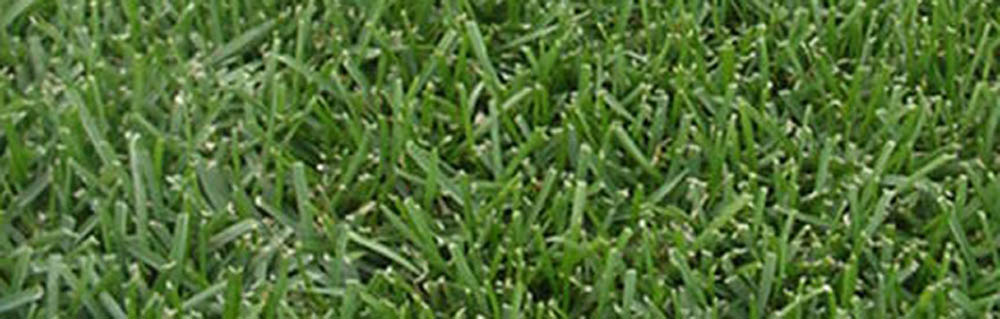
Centipede, a warm season grass, is
planted from the upper south and mid-west to Southern
areas. This seasonal grasses is best planted in the late spring
/ early summer of each year. Early summer is considered by turf
experts to be the best planting date because summer temperatures
and rainfall allow for faster germination and rapid
establishment of the grass.
Centipede generally should NOT
be planted later than around August in the Fall
(later than 90 days before first expected frost / freeze).
The reason is that there is a danger in if the seeds germinate
the plants may not reach enough maturity before winter dormancy
occurs to survive a winter. ---
DORMANT SEEDING:
Some people do what is called winter "dormant
seeding" .. In this method they wait until after cool
weather arrives and there is no danger of the temperatures
returning above 60-65 degrees. They then plant the seeds and
expect that the seeds will lie dormant in the soil until warm
temperatures return in the spring. Germination then occurs in
the Spring after soil temperatures rise above 65 degrees.
While this procedure does
work in some cases, it is much more risky than waiting until
spring to plant your seeds. Seeds lying in the soil over the
winter run the risk of premature germination during a warm snap
and then death upon return of cold weather. They also could
experience rot if there was an extended period of wet weather.
Thus it is a gamble to plant this way, but one that is sometimes
done simply because a person may not want to wait till spring to
plant. In general planting ryegrass
with the centipede in the fall, increases the risk to the
centipede seeds & seedlings becoming establishing in the
spring. Any grass that is already growing in a lawn area such
as a ryegrass is competition to the little seedlings when they
start germination --- which means that some seedlings will not
survive the competition from the ryegrass (or weeds) once they
germinate.